
Are the New Technologies Improving Patient Outcomes or Experience?
Who's benefiting so far from the wave of new technologies in healthcare?
I was reading an article from Brandwatch at the end of 2025. The “Generational Trends Report” is about what each generation cares about and how companies can serve those needs and wants. Something really stood out: every generation from the baby boomers down to Gen Z care about health and wellness more than anything else. While they may engage in different activities or use different products, the common theme is that health has moved up the priority list for everyone.
This is interesting as health and wellness has not always been a priority for people. There has always been a percentage of the population that are “health nuts”! Those who go to the gym religiously, watch what they eat, check their weight and blood pressure at home, etc. With the emergence of the smart phones and a whole lot of wearables over the last 15 years or so, more people are tracking health-related metrics. Things like the number of steps, calories burned, blood oxygen level, blood glucose level, sleep data, and more can be inexpensively tracked now. This may partially explain why a lot more people are moving toward the “health nut” category!
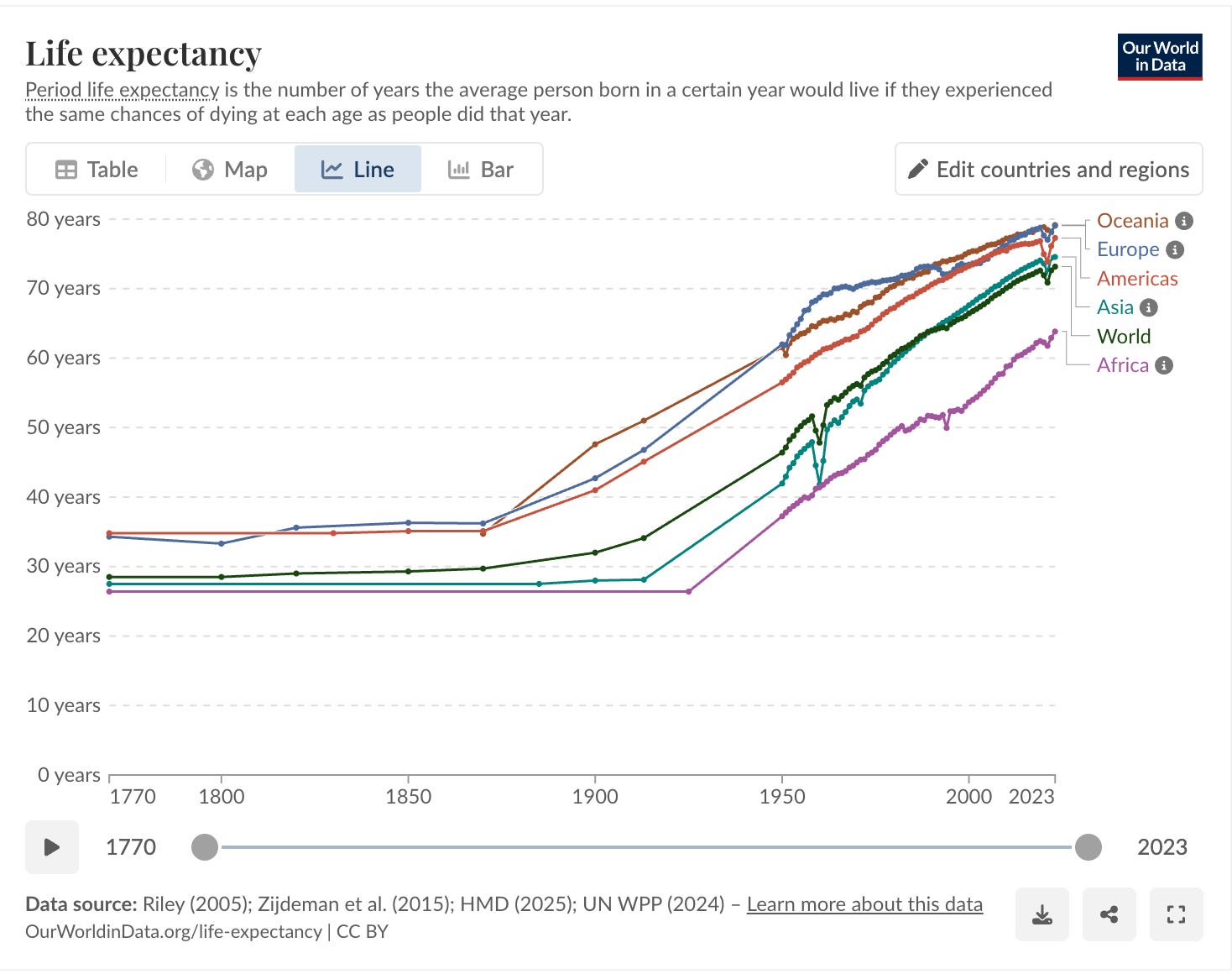
There is also been significant changes in our access to information and even to our expectations for our health! Life expectancy has increased dramatically over the last 100 years (worldwide, it’s doubled!) and our knowledge of what improves health has exponentially increased over the last 50 years. Imagine this: the relationship between exercise and health was not yet established in the 1950’s. Physical activity was limited to athletes and those who engaged in competitive sports. The first indications that being more physically active could be good for our health showed up in medical literature about 60 years ago. Pictures from the medical schools of the 1950’s and even 1960’s show medical students smoking in their lecture halls. The relationship between cholesterol levels and heart disease came into focus in the 1970’s and 1980’s after decades of studies, some of the most important ones conducted in a small town in Massachusetts: Framingham.
In the Mid-1990’s, Merck published the first study to show that you could lower risk of heart attacks and deaths by using statins to lower cholesterol levels. This study raised the bar for the quality of study design and the hard outcomes that we should push for when approving drugs and paying for them. This is around the time that our obesity rates took off and so did the rates of pre-diabetes and diabetes. In response, much of our research dollars and time has been spent in understanding this disease since then. As is always the case with science, discoveries like GLP-1s are the result of years of trial and error and heartbreak before a breakthrough happens.
Given all of this progress, how, then, do we explain the fact that so many people are so unhappy with their healthcare experience? They may like the new toys and the possibility of living longer but they are unhappy when they need to go to the doctor. These days, I repeatedly see a TV ad for a whole-body MRI scanner called Prenuvo. The Prenuvo guy in the ad promotes the benefits of taking charge of your health by getting a whole-body MRI done and a clownish looking guy shows up with a bunch of sticky notes all over him and says that he’s the “legacy sick care system”!! He wants the patient to wait till they’re sick before seeking help.
The patient gets a Prenuvo done and finds endometriosis and then, in what is an ironic twist, the Prenuvo guy tells her to go see her gynecologist!! So, he sends her to the “legacy sick care” system to get help! So, basically she gets a scan without any prior evaluation to determine appropriateness, pays thousands of dollars out of pocket, and then back to the sick care system to actually address the issue. The company makes a few thousand dollars and the patient is back in line waiting to see someone.
Prenuvo is trying to capitalize on people’s dissatisfaction with a system that has shortage of resources, is complex, and has escalating costs. Many of the emerging health and wellness offerings such as store clinics, telehealth clinics, home testing, etc are trying to doing the same. Ultimately, none of them can provide an end-to-end experience and sooner or later you need to be seen in a place that has the resources to diagnose and treat your health issues.
This brings me back to the question of technology. Are the wearables and apps making us healthier? Are the new fancy AI technologies improving our experience when we do need care? In an two-part series last year, I examined the health impacts of the new toys that a lot of us increasingly have access to. I discussed a study from the Mayo Clinic that showed wearable-induced health anxiety, exacerbation of existing mental disorders, and sleep issues. The study also mentions maladaptive health behaviors that can result from using wearables in medically healthy individuals such as overexercising, eating disorders, overuse and unjustified use of medical services and more. The record of these tools in terms of their long-term stickiness is quite poor so at the population level there is not evidence that they’re improving health. As for ChatGPT or Claude for health, the early results are quite mixed and some times alarming!
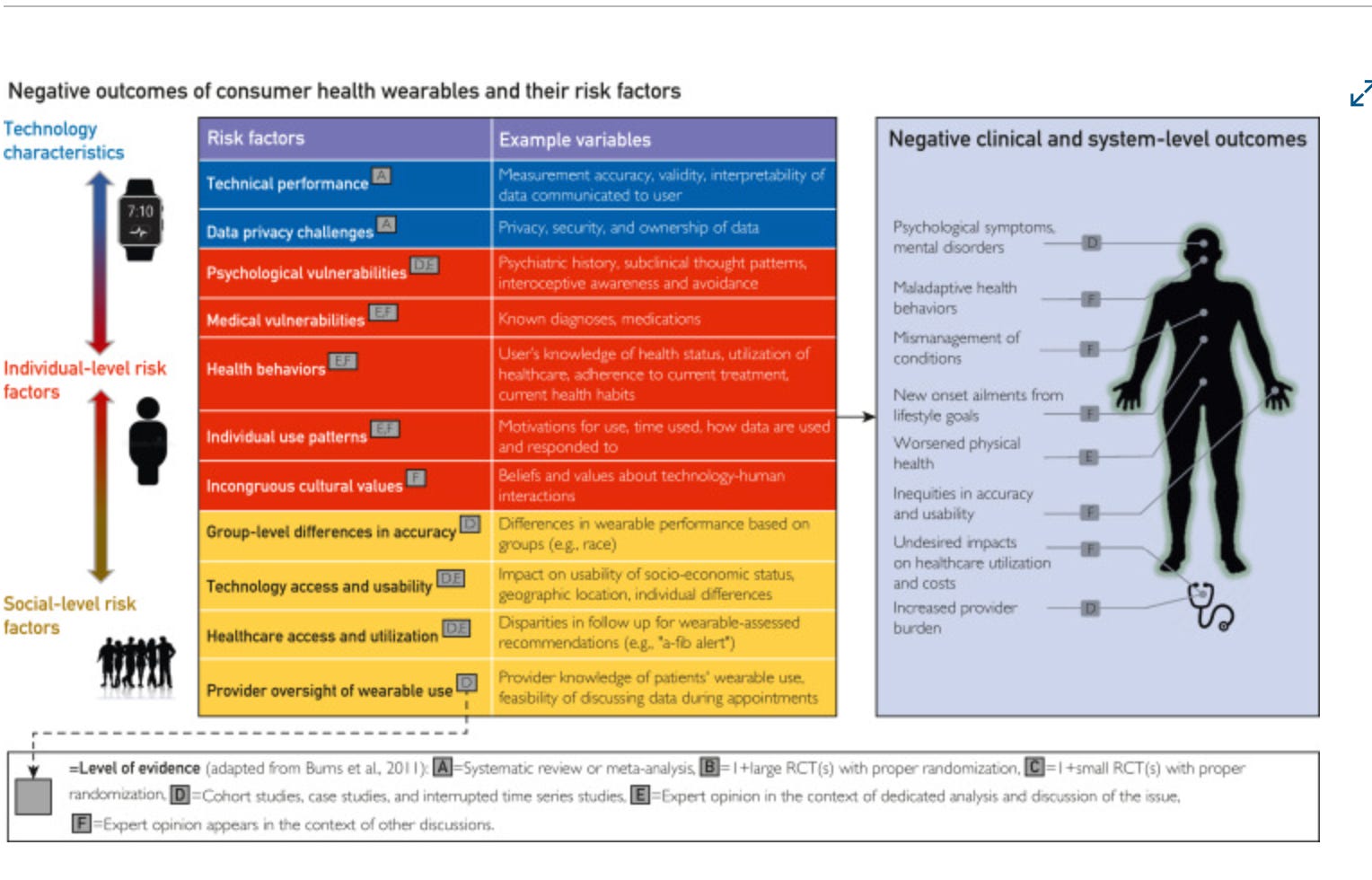
Source: Mayo Clinic Proceedings
That brings us to the new AI tools that are making their way into the “legacy sick care” system. There’s ambient documentation, one of the fastest technologies to ever get adoption in healthcare. It takes notes for doctors and saves them an hour or two a day. Other technologies showing adoption are AI tools that help with coding of the medical encounters, drafting letters to the insurance companies to get authorization for tests and procedures, drafting responses to patient questions in their portals, and improving call center experience for the patients calling in with questions and issues.
While it’s too early to tell if people will start feeling better overall about their experience with the healthcare system, there’s some early evidence that doctors not typing during the visit, getting faster responses to emails, and more automated scheduling is getting some positive responses in surveys from patients. This, hopefully, will mean that as these technologies are used in more centers, they will have more widespread impact on the quality of people’s experiences. Whether it’ll be enough to overcome all the negative things that lower patient satisfaction, we will have to wait and see. I’m optimistic, but like a good physician, I have to wait for the evidence before I render my final verdict!